


Beer and Beer Drinks Retail Sales Dynamics – 2025
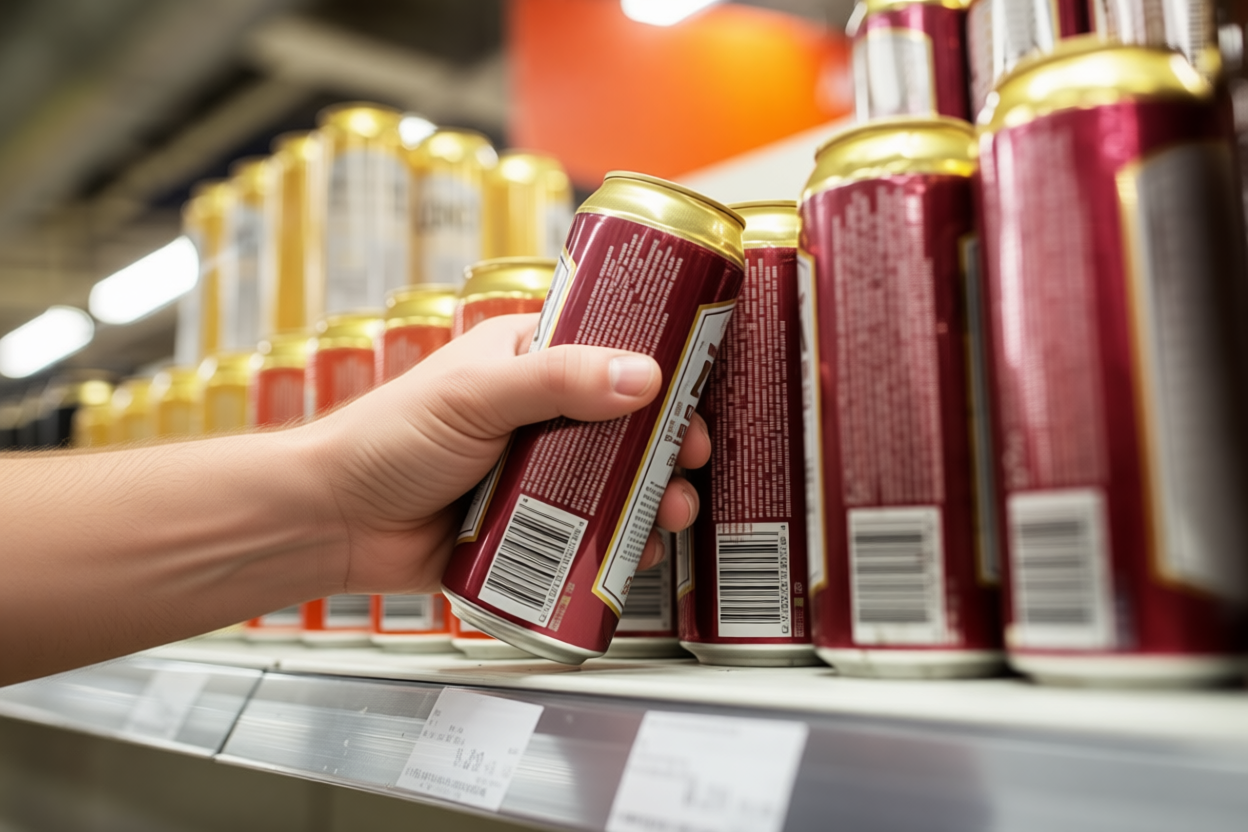
The alcohol market slowed down in 2025: according to the X5 Dialog analytical platform, sales dynamics of the Alcohol segment decreased by -3.5% sales dynamics in units, while the Beer category showed an increase of +0.6% sales in units (online+offline) in the Perekrestok, Pyaterochka, and Chizhik store chains.”.
At the same time, the Nielsen report for February 2026 shows a decrease in the sales dynamics of the Alcohol segment by -0.2% by 2024.
The Beer category showed an increase of +0.6% in unit sales, while the Beer category in liters added +3% (2025 to 2024) against the background of a shift in demand to large volumes (1.2 liters +43%, 0.9 liters +299%) and a decrease in some standard formats (0.5 liters -15%). Non-alcoholic beer showed an online growth of +78.6%.
The maximum decrease in the Alcohol category in the X5 Retail chain was shown by Absinthe with sales dynamics in liters of -79%.
The share of sales in liters of the “Low-alcohol beverages” segment decreased by -78%, while the “Low-alcohol beer-based beverages” segment showed sales growth in liters of +157%, which may be due to a 4-fold increase in excise tax from 36p to 141p on low-alcohol beverages and the transition of beverages to the “beer-based beverages” segment.”.
The Craft Beer segment showed an increase of +51%, which may demonstrate customer interest in different flavors.
In the Beer segment of the X5 Retail chain, sales growth in liters in 2025 amounted to +3%.
- Domestic beer +11% | 55% share of sales of the entire category
- Licensed beer -16% , 25% share of sales of the entire category
- Draft beer +3% | 7% share of sales of the entire category
- Imported beer -9%
- Non-alcoholic beer +15% | 4% share of sales from the entire category
- Low-alcohol beer-based drinks +157%
- Ciders -2%
- Craft beer +51%
The following trends can be traced in the Craft Beer segment:
- +193% Tropical ipa with rich fruity notes, especially pineapple, passion fruit and mango, and a long aftertaste with a pleasant hop bitterness.
- +184% Indian double ale with intense hop bitterness and tropical fruits
- +150% Wheat white ale with citrus bread notes
- +52% Red tomato els with notes of tomato juice, soft wheat tones, nuances of hot cayenne pepper and spices
Sales of the chain show an increase in sales dynamics in units of imported beer:
- +29% Belarus
- +84% China
Сonclusions:
- Soft drinks from the alcohol and beer industry are showing rapid sales growth, especially in the online sales channel;
- The localization of the shelf, local producers and a variety of flavors are gradually changing alcohol and beer trends, responding to the selectivity of customers;
- Non-alcoholic beer is more interesting for the younger generation, and beer-based beer is popular with the older generation, with a maximum purchase frequency of men aged 45-64 years, the maximum number of buyers aged 35-44 years.
StatBeer’s annual metrics confirm the “flat” dynamics of the market with a change in structure: beer and beer drinks in 2025 — 900,963 thousand dal (-0.8% yoy), beer — 781,212 thousand dal (-1.0%), beer drinks — 119,751 thousand dal (+0.4%).
In terms of raw materials, malt was almost unchanged at 1,747,920 tons (-0.4%), but foreign trade was noticeably skewed: malt exports fell to 90,498 tons (-57.2%), while imports increased to 56,446 tons (+7.5%). In this design, the non-alcoholic segment, local brands and the “packaging strategy” become practical growth points for chains against the background of a general slowdown and “compression” of the alcohol range.