


The sowing campaign in Russia
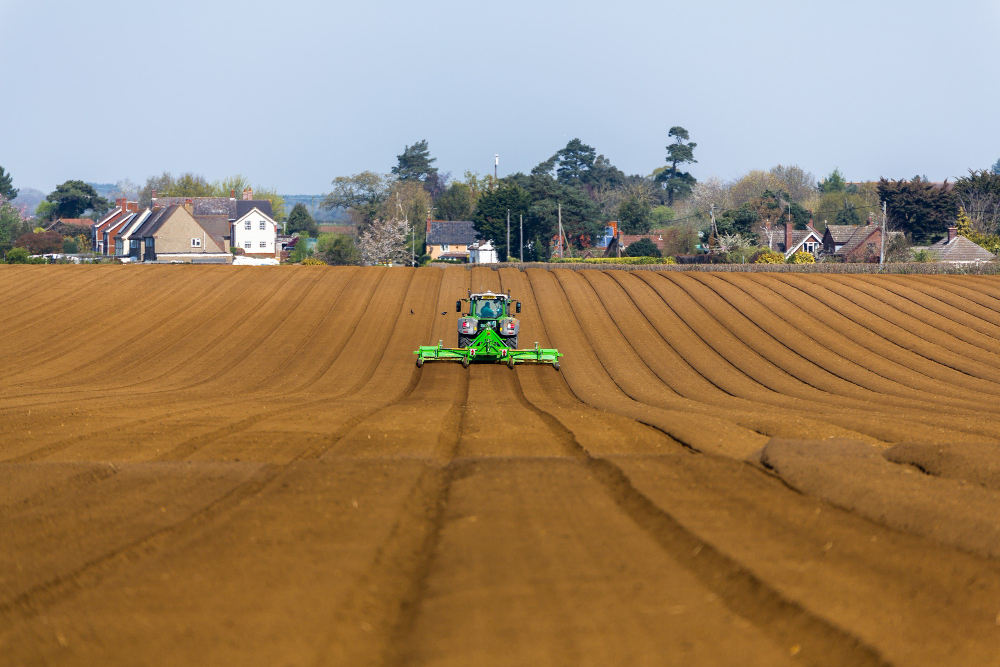
During the spring sowing campaign of 2025 in Russia, there is a change in the structure of farmland. One of the key trends was the reduction of areas under spring and winter wheat against the background of adverse weather conditions, rising costs and falling profitability.
According to operational data, the acreage under spring wheat may decrease to 11.5–11.8 million hectares, which is 4% lower than last year. This could be the lowest level in at least the last ten years. As of June 11, spring wheat crops lagged by 10.5% from last year’s, amounting to 11.1 million hectares. The main reduction in area was recorded in Siberia and the Urals, where farmers increasingly prefer oilseeds and legumes. This is due to both agro-climatic factors and the transport distance from the port infrastructure.
Winter wheat is also losing ground — its acreage has decreased by almost 7%, to 15.1 million hectares. About 6.8% of the already sown areas could not be preserved. The total area under wheat this year is estimated at 27-28 million hectares compared to 28.5 million hectares last year. This decrease is due to a drop in profitability of production — current grain prices in the range of 12-14 thousand rubles per ton are at the cost level. At the same time, the cost of sowing increased by an average of 20% due to higher prices for fuel, fertilizers and seeds.
Despite the overall reduction in wheat acreage, yields may show positive dynamics. The forecast for wheat harvest is expected to reach 83 million tons. However, there are still risks associated with a lack of moisture in the southern regions and the Volga region, spring frosts and local droughts. A state of emergency has already been introduced in some areas of the Krasnodar Territory and the Rostov Region.
In this situation, more and more producers are reorienting to more profitable crops such as sunflower, rapeseed, soybeans and legumes. Attention is also paid to barley. The acreage under barley increased by 8% to 7.5 million hectares, and the gross harvest is expected to reach 17.4 million tons. It is planned to harvest malting barley from this volume at least last year — about 2 million tons.
Despite the growth of the area under barley, concern remains in the brewing industry: the projected volume of raw materials may not be sufficient to comfortably cover the needs of the market without price fluctuations. In addition, against the background of unstable weather conditions and lack of moisture in a number of key regions, there are risks of reducing grain quality. This can lead to a shortage of malting barley, especially if weather anomalies negatively affect the protein content and extractivity, which are critical indicators for brewing.